How Bail Is Set in Wake County, NC
How Bail Is Set in Wake County, NC
When someone is arrested in Wake County, one of the first questions families ask is, “How much is the bond?” The answer depends on the charge, the person’s history, and whether the court believes they will return for future court dates. This guide explains how bail is set and what families can do next.
What Happens After an Arrest in Wake County
When someone is arrested in Wake County, the process begins long before a formal court appearance. Understanding these early steps helps families respond quickly and effectively.
For a fuller step-by-step breakdown, read our guide on what to do after an arrest in Wake County.
Booking and Initial Processing
After an arrest, the individual is typically transported to the Wake County Detention Center. There, officers complete the booking process, which may include:
Recording personal information and the alleged charges
Taking fingerprints and photographs (mugshots)
Conducting basic medical and safety screenings
During this time, it may be difficult to communicate with the arrested person, which often adds to a family’s anxiety. However, once booking is complete and conditions of release are set, families can begin exploring options for bail bonds in Wake County and contacting a reputable bondsman if needed.
First Appearance Before a Magistrate or Judge
In most cases, a magistrate is the first official to review the case and determine whether the person can be released before trial. This often occurs relatively soon after arrest, especially for common charges. For more serious offenses, a district court judge may handle the initial bond decision at a first appearance hearing, usually within a short period of time after the arrest. This first hearing is part of the early court process, and it helps to understand what happens at arraignment as the case moves forward.
What Factors Affect the Bail Amount?
Understanding how bail is set in Wake County, NC requires a look at the factors magistrates and judges are required to consider. North Carolina law focuses on ensuring the defendant appears in court and protecting public safety, rather than punishing the accused before any conviction occurs.
Nature and Circumstances of the Charge
One of the most important elements in how bail is determined in NC is the seriousness of the alleged offense. In Wake County, officials typically evaluate:
Whether the charge is a misdemeanor or felony
Whether the alleged conduct involved violence or a weapon
Any alleged harm to victims or the community
More serious or violent charges often lead to higher bonds, stricter conditions, or in some cases, a decision to hold the person without bond under specific legal standards.
Criminal History and Previous Court Compliance
A person’s criminal record and history of appearing in court are central to the Wake County bail process. Magistrates and judges may review:
Prior convictions, especially for similar offenses
Previous failures to appear in court or bond violations
Current probation, parole, or pending charges
Someone with a stable history of appearing in court may be more likely to receive a lower bond or non-monetary conditions, such as a written promise to appear, compared with someone who has a record of missed court dates.
Community Ties and Stability
Another major consideration in how bail is determined in NC is whether the accused has strong connections to the local community. Judges and magistrates may consider:
Length of residence in Wake County or the Raleigh area
Employment status and work history
Family relationships and dependents in the area
Strong ties suggest that the person is less likely to flee and more likely to appear for scheduled court dates, which can support more manageable bond amounts or alternative release conditions.
Risk to Public Safety and Victims
Protecting the public is a core part of the Wake County bail process. If there are concerns about threats to victims, witnesses, or the community, officials may:
Set a higher bond amount
Add conditions, such as no-contact orders or curfews
In limited cases, deny bond under specific statutory criteria
Each case is evaluated individually. Even when a bond is set, it may come with strict conditions designed to safeguard others while still allowing the accused to await trial outside of jail.
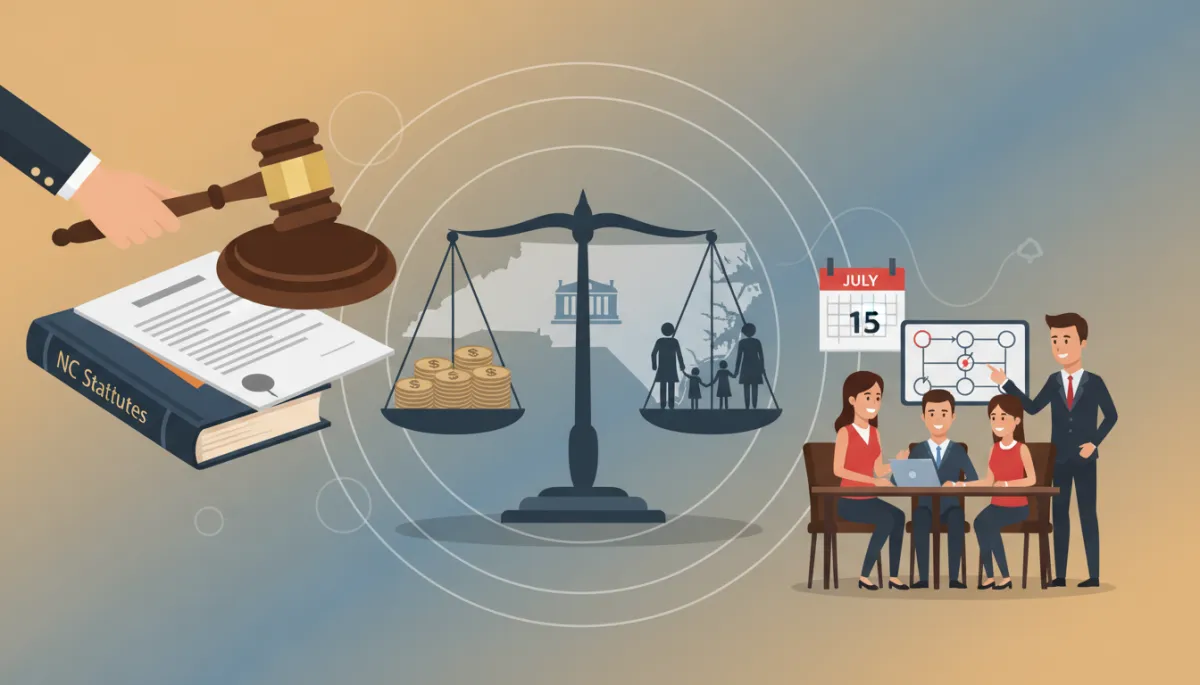
Clear explanations of bond terms help families make informed decisions under pressure.
Types of Release and Bond Options in Wake County
When exploring how bail is set in Wake County, NC, it is helpful to know that release does not always require paying money. Depending on the case, officials may choose from several options, including:
Written Promise to Appear: The person signs a promise to attend all court dates without paying a bond up front.
Unsecured Bond: A bond amount is set, but no money is paid unless the person fails to appear.
Secured Bond: Money or property must be posted, or a bail bond company must guarantee the bond for release.
Secured bonds are where Raleigh bail bonds agencies most often assist families. If the court sets a bond that is higher than the family can pay directly, a licensed bondsman can post the bond on the defendant’s behalf in exchange for a fee.
When a Bail Bondsman May Be Needed
When a loved one is in custody, navigating the Wake County bail process can feel overwhelming. Working with an experienced, licensed bondsman can make the process more manageable and help secure release more quickly, often with less out-of-pocket expense than paying the full bond amount directly to the court.
Understanding How Raleigh Bail Bonds Work
A bail bond is a financial guarantee to the court that the defendant will appear for all required hearings. In Wake County, a typical process with a Raleigh bail bonds professional may include:
Initial Contact: A family member calls a bondsman with the defendant’s name, date of birth, and the jail or case information.
Bond Review: The bondsman confirms the bond amount and any special conditions set by the court or magistrate.
Fee and Paperwork: The family pays an agreed-upon premium (often a percentage of the total bond) and completes required documentation.
Posting the Bond: The bondsman posts the bond with the jail or court, and the defendant is released subject to all court conditions.
Families should understand that the premium paid to a bail bond company is generally non-refundable, even if the case is dismissed or the charges are reduced later. The fee compensates the bondsman for taking on the risk of guaranteeing the full bond amount to the court.
Choosing a Bondsman in Wake County
When selecting a provider to help with bail bonds in Wake County and Raleigh, families should look for:
A valid North Carolina bail bonds license
Clear explanation of fees, payment plans, and responsibilities
Experience working specifically with the Wake County court system
Professional, respectful communication during a stressful time
After Release: Next Steps in the Wake County Bail Process
Securing release is only one part of the process. Once a defendant is out of custody, it is critical to comply with all court-ordered conditions and stay on top of upcoming court dates. Failing to appear can lead to a new warrant, additional charges, and the forfeiture of any bond posted on the case.
Many families use this time to consult with a criminal defense attorney, gather documents, and prepare for the next stages of the case. A clear understanding of how bail is determined in NC and what the court expects can help the defendant remain in compliance and demonstrate responsibility throughout the process.
What Families Should Do Next
Facing an arrest in Wake County can be unsettling for everyone involved, but understanding how bail is set in Wake County, NC provides a clearer path forward. Magistrates and judges look at the nature of the charge, criminal history, community ties, and public safety when determining release conditions. For many families, working with a trusted Raleigh bail bonds professional is the most practical way to navigate a secured bond and bring a loved one home while the case moves through the courts.
By learning how bail is determined in NC and familiarizing yourself with the Wake County bail process, you can respond quickly, ask informed questions, and make decisions that protect both your loved one’s rights and your family’s financial well-being. While every situation is unique, access to clear information and professional guidance can make a difficult moment more manageable and help set the stage for a stronger legal defense. If you need help understanding the bond amount or next steps, contact Case Closed Bail Bonds.